
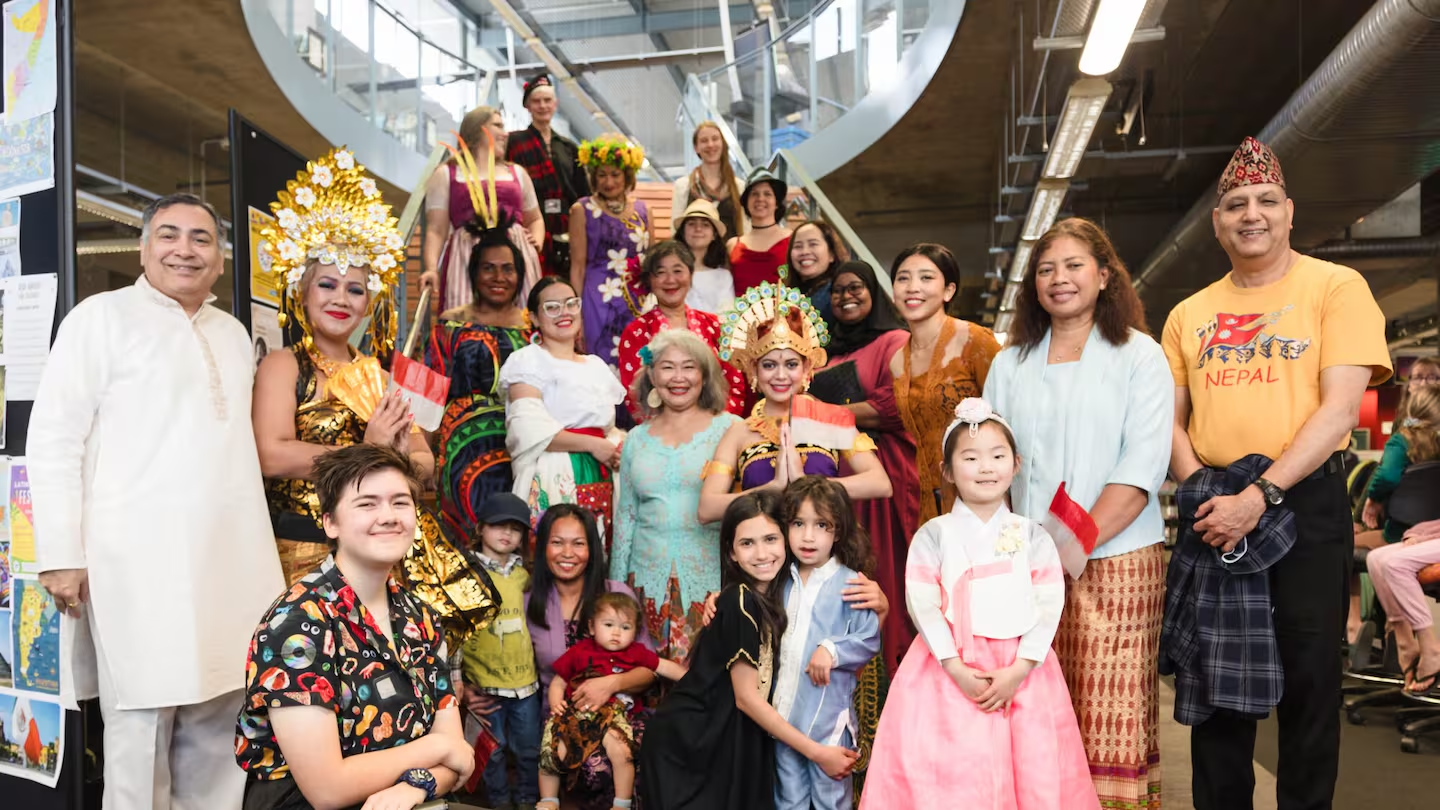
For many migrants in Whangārei, summer is the season when the city stops feeling new and starts feeling like home.
Around 800 migrants from more than 45 countries have settled in Whangārei this year, bringing with them a rich mix of cultures, traditions and stories. According to Multi Ethnic Collective Whangārei chair Ralph Correa, it is summer that helps many newcomers feel they truly belong.
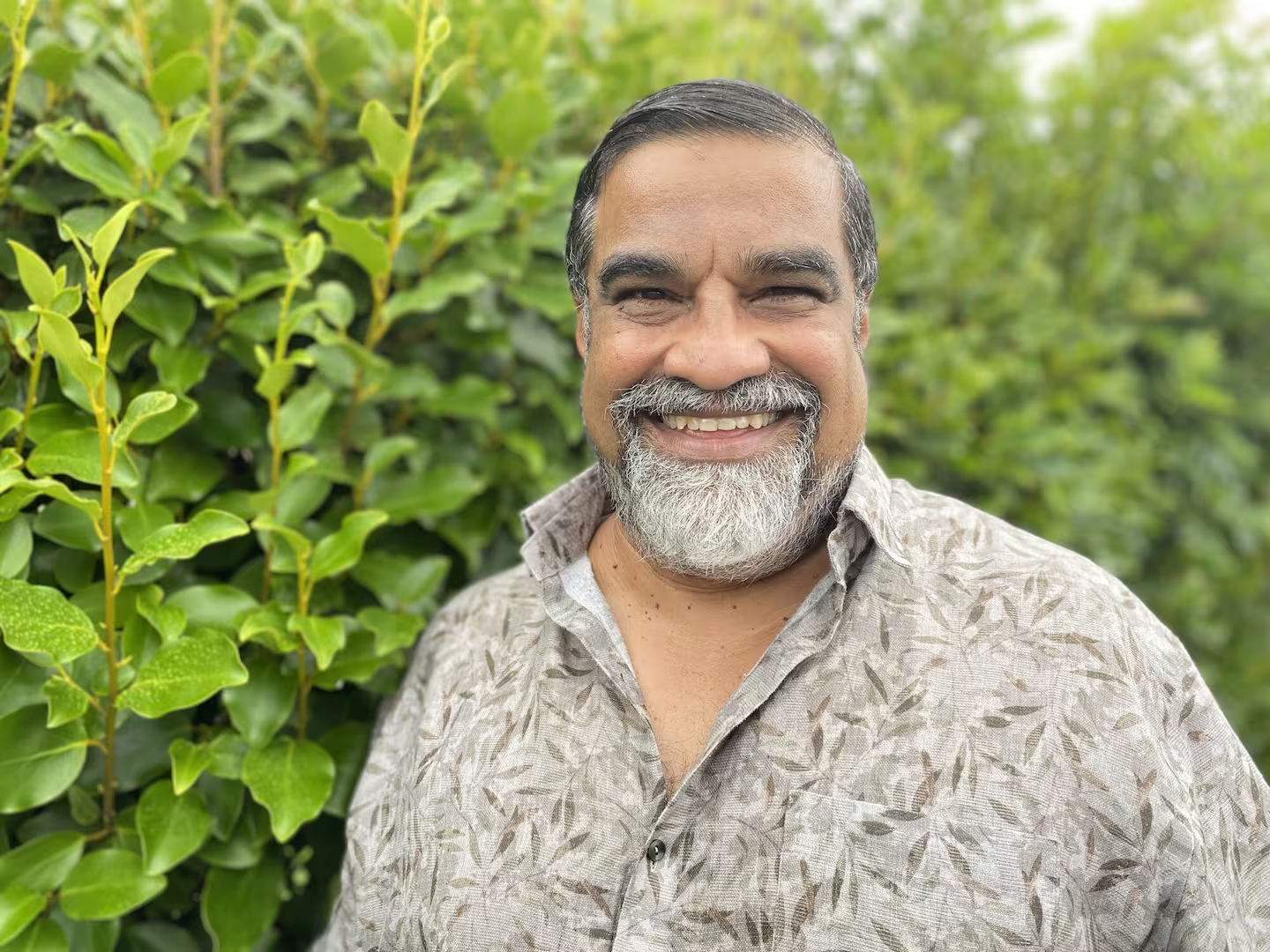
“Many migrants say summer is when Whangārei really starts to feel like home,” Correa said. “The beaches, parks, outdoor events and barbecues make it much easier to meet people and build friendships.”
The Multi Ethnic Collective includes representatives from police, immigration services, the Ministry of Ethnic Affairs and Multicultural Whangārei, which is supported by the Whangārei District Council.
Migrants have arrived from all over the world, including India, China, the Philippines, Sri Lanka, Fiji, South Africa, Brazil, the United Kingdom, Ireland, Europe, Russia, Afghanistan and several Pacific Island nations.
Correa said summer in many migrants’ home countries was often extremely hot, crowded and fast-paced, with public spaces packed and city life feeling overwhelming. In contrast, summer in Whangārei was calmer and cleaner, with easy access to nature.
“Beaches, forests and waterfalls are right on your doorstep here,” he said. “The pace of life is different — it’s more relaxed, with space to breathe.”
A strong sense of safety, especially for children, was another reason Whangārei stood out. Correa said the city showcased the best of Kiwi life, making it particularly appealing to families.
Christmas celebrations reflected the diversity of the community. Migrants marked the season in different ways — through faith, family gatherings or by embracing the Kiwi barbecue tradition.
“The long summer days make Whangārei perfect for families with young children,” Correa said. “People come together in parks or at the beach, sometimes with music, dancing or even yoga.”
A Whangārei Christmas often blends traditions from New Zealand with those from migrants’ home countries, whether that’s sharing vegetarian food alongside Bollywood music, or enjoying a braai with African beats.
New Year celebrations usually involve fireworks and social gatherings, with many migrants later celebrating a second New Year according to their own cultural calendars.
Sport also plays a major role in helping migrants feel connected. Correa said sport was often one of the first spaces where newcomers felt included.
“Backyard cricket is a classic Kiwi summer tradition, but it also connects beautifully with cultures from India, Pakistan, Sri Lanka and Bangladesh, where cricket dominates summer life,” he said. “During big matches, everything stops.”
Whangārei’s Kensington Cricket Club, made up largely of migrants, was a strong example of how sport helped build community ties. Correa said the city offered huge opportunities for sporting talent to grow.
Migrants consistently described Whangārei people as warm, approachable and welcoming. Students in particular chose the city because it felt safe, friendly and personal.
“People feel noticed here,” Correa said. “Schools, churches, marae, clubs and neighbours all play a role in creating a sense of care.”
Many migrants also spoke about the manaakitanga shown by Māori communities.
“Tangata whenua generously share their tikanga, stories and support, helping newcomers feel grounded and respected,” Correa said. “This partnership is one of Whangārei’s greatest strengths.”
While nothing could ever fully replace home, Correa said Whangārei’s welcoming community helped migrants feel they had found a home away from home.
Events such as Diwali allowed newcomers to connect with others from their own cultures, while also sharing their traditions with the wider community.
Migrants in Whangārei work across a wide range of industries, including healthcare, trades, education, hospitality, IT, logistics, retail and community services. Many have also started small businesses.
Each year, around 150 migrants in Whangārei become New Zealand citizens.
Correa said community organisations such as the Multi Ethnic Collective, Multicultural Whangārei, the Kensington Cricket Club and the Whangārei District Council-led Welcoming Communities programme, supported by groups like the Northland India Association, played a vital role in helping newcomers settle.
“Without this collective effort, many people would be left to face challenges and wellbeing needs on their own,” he said. “Instead, they arrive in a city where support is real, connections form quickly and a genuine sense of belonging grows naturally.”